
Dryer Vent Cleaning in Beaver Dam, WI
Tell us about your home, and a licensed contractor who covers Dodge County will get in touch.
Tell us about the job
It takes about a minute.

Cold turns dryer lint into a wall of buildup
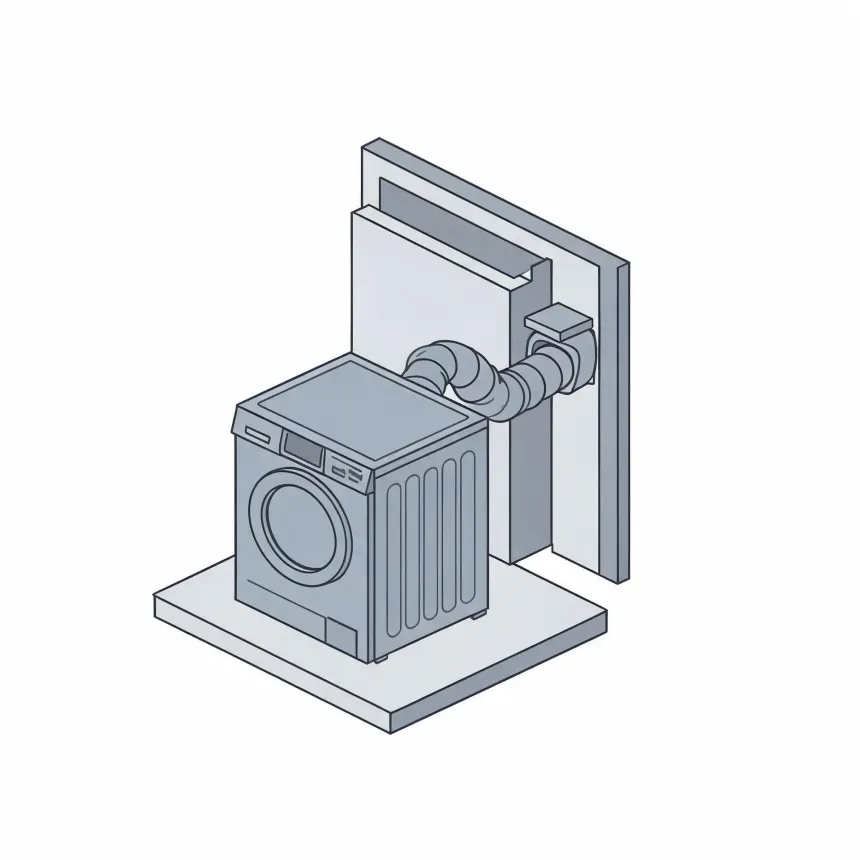
Your dryer pushes out warm, damp air every time it runs. Once that air hits the vent, it has to travel through metal that sits in cold outside air for eight months of the year, December through February nights here average 14°F. The moisture in the exhaust cools fast against those cold walls, and the lint riding along with it sticks rather than blows through to the outside.
That buildup narrows the vent a little at a time. A narrow vent means the moist air your dryer is trying to push out has nowhere to go, so it backs up into the duct and the lint keeps collecting. Left alone, a blocked vent is one of the more common causes of house fires.
- 14°F
- the average winter night, and cold vents catch damp lint
- 8 months
- October through May, the vent stays cold
NOAA nClimDiv, 1991–2020 normals
- How often should a dryer vent be cleaned?
- Once a year for most households. If you run large loads often, or you have a longer duct run to the outside, once a year is still the mark to aim for, though some homes benefit from checking it midway through the year too. A dryer that's taking longer to dry clothes than it used to is telling you the vent needs attention sooner.
- Can I clean my dryer vent myself?
- You can clean the first few feet on either end, but you can't clean the whole run yourself unless it's very short and straight. The lint that causes fires collects inside the duct itself, often at bends or where it meets the outside hood, and reaching that takes a brush and rod system built for the job. A contractor can run the full length and clear the vent hood outside too, which is hard to check from indoors.
- What are the signs of a clogged dryer vent?
- Clothes that take two cycles to dry, a dryer that runs hot to the touch, and a burning smell are the clearest signs. Check the outside vent hood while the dryer runs. If you feel little or no airflow there, or the flap barely moves, the duct is likely blocked. Lint building up around the drum area faster than usual is another sign worth acting on.