
Furnace Repair in Whitewater, WI
Furnaces here run from October through May. If yours quits, tell us what it's doing and a licensed contractor who covers Walworth County will get in touch.
Tell us about the job
It takes about a minute.
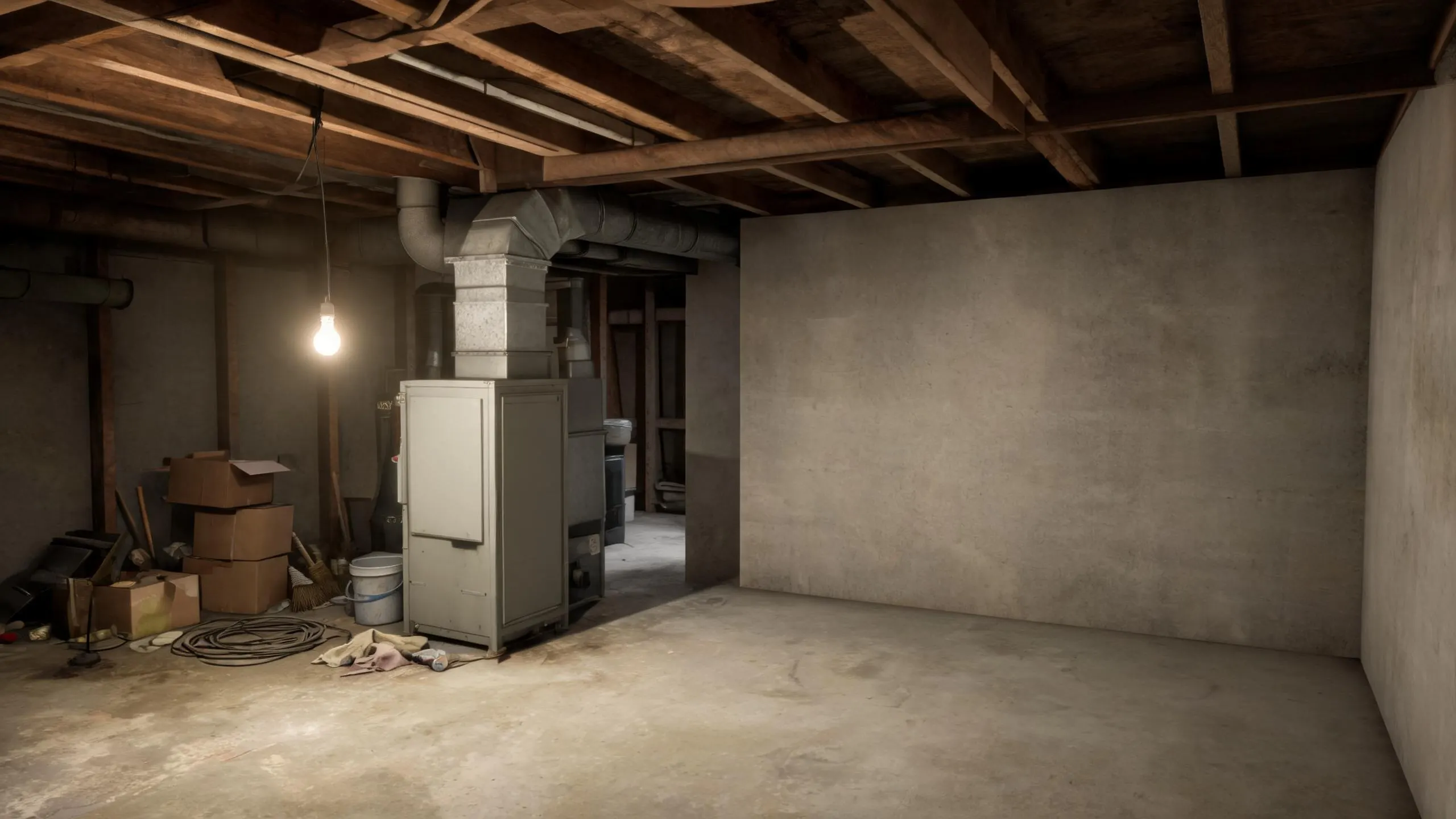
Eight months of heat asks a lot of your furnace
From October through May, your furnace is the only thing standing between your house and a Whitewater winter. On nights that average 16°F, it can't rest much. It cycles on and off for hours at a time to hold the temperature, and every one of those starts puts wear on the igniter and the parts that get the burner lit.
Most homes here heat with gas, and a gas furnace still needs power to run the blower and controls even though the burner itself doesn't. Walworth County has seen 18 winter storms and 74 damaging wind events over the past ten years, and when the power goes out, so does your heat until it comes back. That combination of hard use and hard weather is why furnaces here tend to show their age partway through the winter, right when you need them most.
- 8 months
- October through May, your furnace is on duty
- 16°F
- the average winter night it heats against
- 75%
- of homes here heat with gas, so most furnaces here burn gas
- 18 winter storms
- in ten years, the nights a failure hurts most
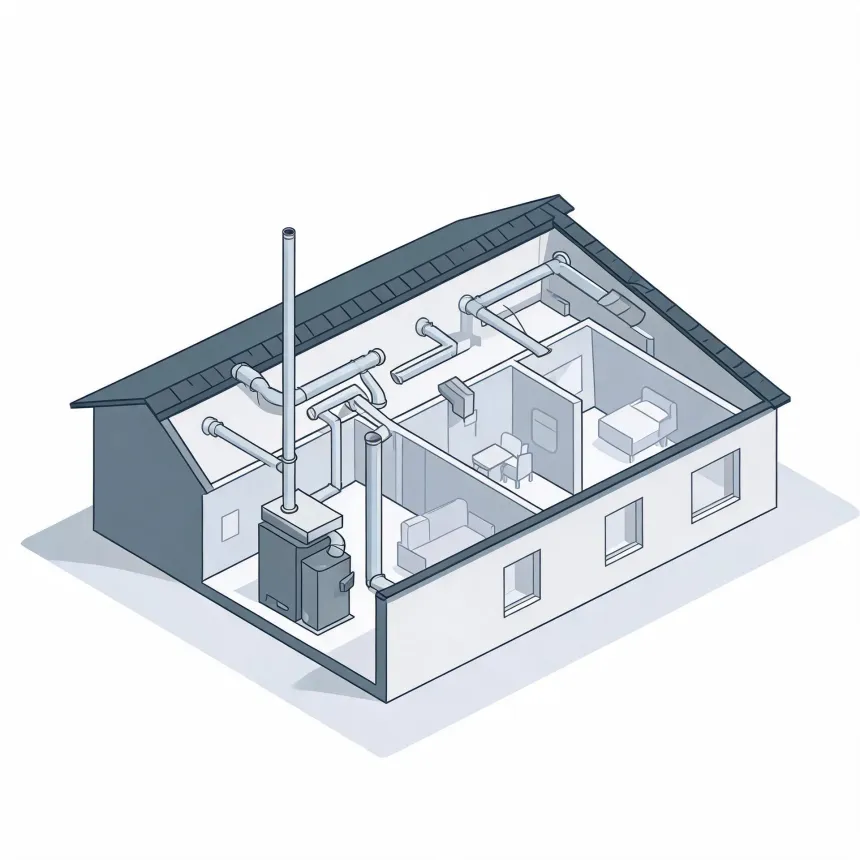
NOAA nClimDiv, 1991–2020 normals

A new furnace would cut about $110 a year off heating for a typical Walworth County home.
Estimates for a typical Walworth County home, compared with an older unit built to the previous federal minimum, from EIA household energy data, Wisconsin fuel prices and NOAA climate normals. Your home will differ.
Repair makes sense when one part has failed and the heat exchanger is sound.
Replacement makes sense when the heat exchanger is cracked or the furnace keeps needing parts.
Wisconsin requires contractors to register with the state.
Registration puts the business on file with the Department of Safety and Professional Services. Nobody tested the contractor's furnace work to get there. It is a record that the business exists and can be traced, not proof of what they know. Wisconsin keeps this the same everywhere too. Counties and cities cannot add their own HVAC license on top of it, so a contractor in Walworth County is held to the same state record as one anywhere else in Wisconsin.
On a furnace repair, the part that matters most is the gas connection, since that is where a mistake turns dangerous. Registration does not test for that kind of work. It confirms who the business is, not how well they handle gas. In Walworth County, 75.4% of homes heat with gas, so that gap sits closer to home here than it would somewhere burning mostly electricity.
Sources: Wisconsin Legislative Reference Bureau · Wisconsin Department of Safety and Professional Services
- Why won't my furnace turn on?
- Most often the thermostat isn't calling for heat, or something downstream is stopping the furnace from responding even though it is. Check that the thermostat is set below room temperature and has power, since a dead battery looks like a furnace problem but isn't one. If the thermostat is fine, the furnace may be locked out from a failed ignition attempt, a tripped safety switch, or a clogged filter cutting off airflow. A closed gas valve or a tripped breaker will also keep it from starting, and both are worth checking before calling anyone out.
- Why is my furnace blowing cold air?
- Give it a few minutes before you worry. Furnaces blow cold air for a short stretch at the start of a cycle while the burners heat up and the heat exchanger warms, and again at the end while the blower clears out the last of the warm air. If cold air keeps coming the whole cycle, the igniter or flame sensor may be failing, so the blower runs but nothing is lighting to heat the air. A clogged filter or closed vents can also weaken the heat enough that what reaches you feels cold.
- Why won't my furnace pilot light stay lit?
- A pilot light that won't stay lit is almost always the thermocouple, the small sensor that proves the flame is burning. When it wears out or gets coated in soot, it tells the gas valve there's no flame even when there is, and the valve shuts off the gas. A draft blowing across the pilot or a dirty pilot orifice can cause the same thing. Since this is a gas safety part, it's worth having a contractor look at it rather than relighting it repeatedly.