
Dryer Vent Cleaning in Appleton, WI
Tell us about your home, and a licensed contractor who covers Outagamie County will get in touch.
Tell us about the job
It takes about a minute.

Cold air makes lint stick
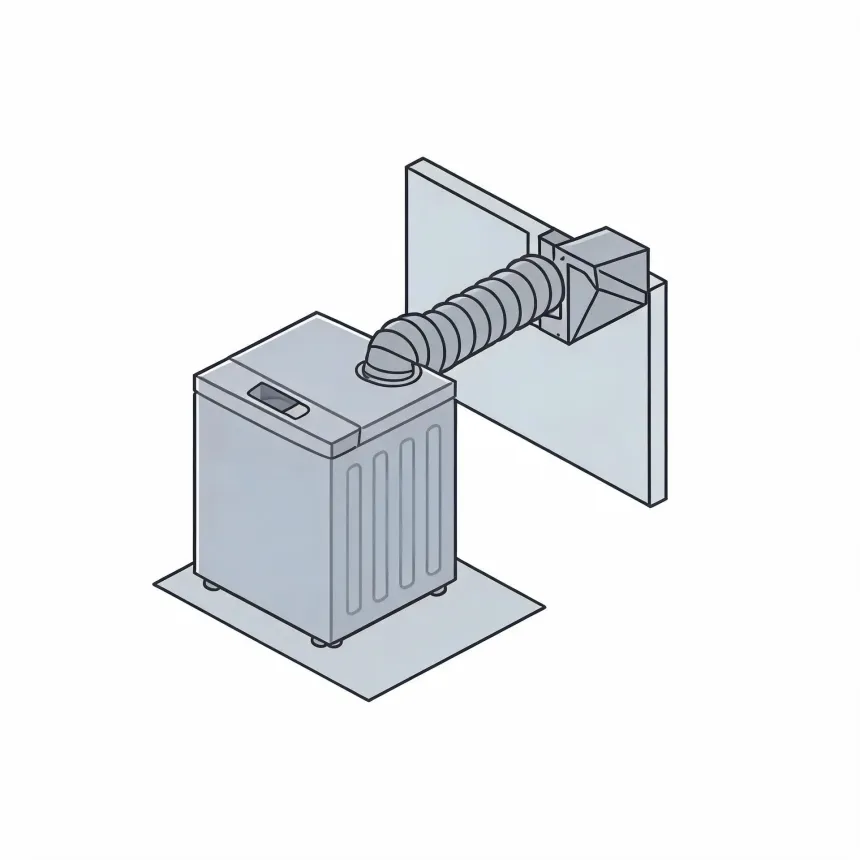
Your dryer pushes out warm, damp air, and it has to travel through a vent that sits in cold space for months at a time. Homes here need heat from September through May, and winter nights average 13°F from December through February. When that warm, damp air hits the cold walls of the vent, it cools fast, and the moisture left behind makes lint stick instead of blowing on through to the outside.
That buildup narrows the vent a little at a time. Air moves slower, drying takes longer, and the dryer runs hotter than it should. A vent that stays clear lets the moisture and heat leave the house the way they're supposed to.
- 13°F
- the average winter night, and cold vents catch damp lint
- 9 months
- September through May, the vent stays cold
NOAA nClimDiv, 1991–2020 normals
- How often should a dryer vent be cleaned?
- Once a year for most households. If you run the dryer several times a week or the vent run is long with a lot of turns, once a year is still the right interval since lint builds up on a schedule, not by how busy your house is. Clean it more often if you notice clothes taking longer to dry or the outside vent hood barely flapping when the dryer runs.
- Can I clean my dryer vent myself?
- You can clean the first few feet from the back of the dryer yourself with a vacuum and a long brush. What you can't reach is everything past the first bend, and that's usually where lint packs in hardest. A contractor uses rods that run the full length of the duct, out to the vent hood on the outside wall, so the whole path gets cleared, not just the part you can see.
- What are the signs of a clogged dryer vent?
- Clothes that take two cycles to dry, a dryer that runs hot to the touch, and a burning smell are the main ones. Check the outside vent hood while the dryer runs. The flap should open and you should feel air moving, weak airflow there means lint is backed up somewhere in the duct. A vent that's blocked also traces back moisture into the dryer, so if you're finding damp spots at the end of a cycle that's worth checking too.