
HVAC Installation in Mequon, WI
A new system here will heat from October through May and cool from July through August every year. Tell us about the house, and a licensed contractor who covers Ozaukee County will get in touch.
Tell us about the job
It takes about a minute.
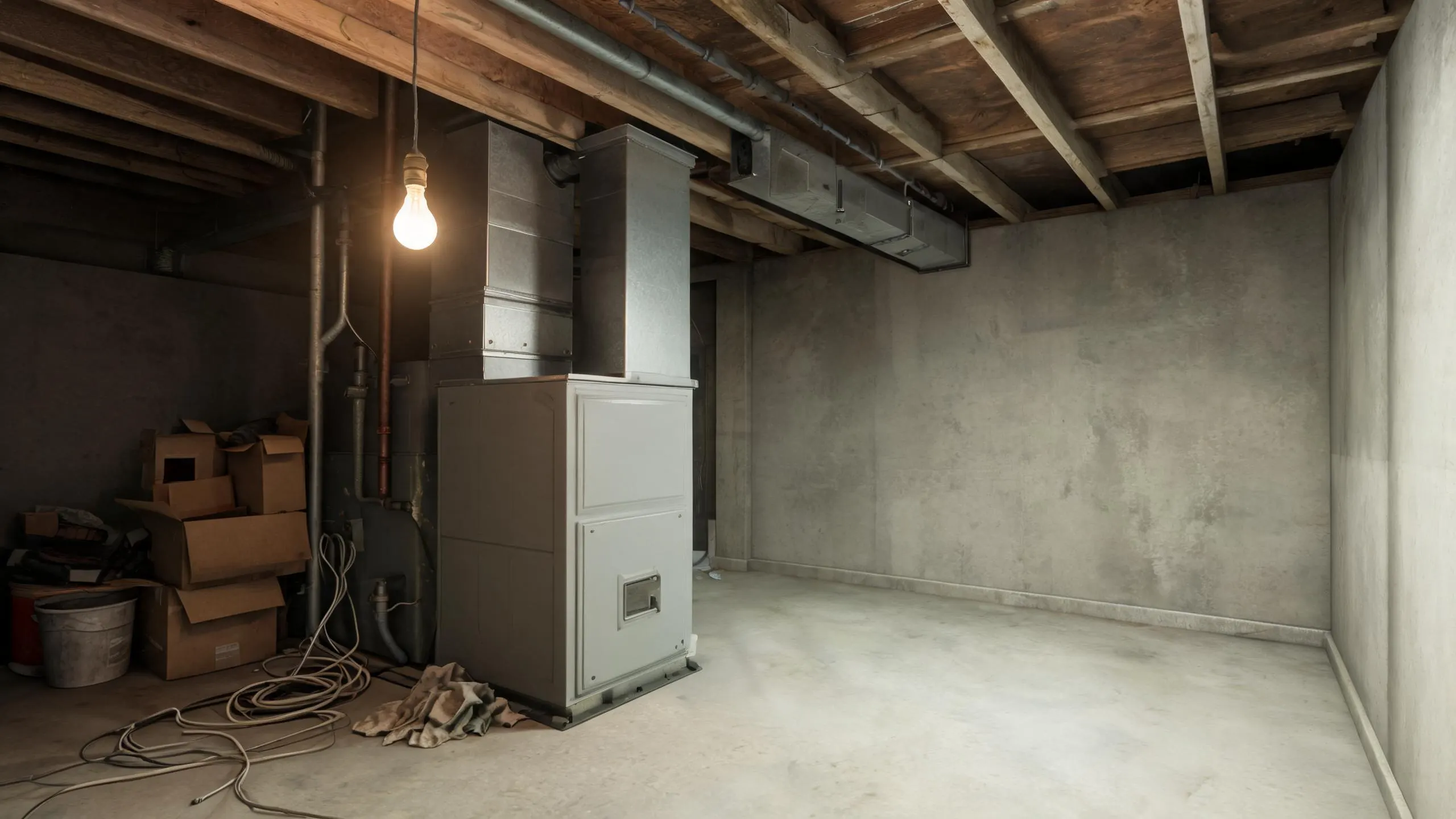
A system built for eight months of heat and two months of cooling
Winter nights in Mequon average 16°F from December through February. A new furnace has to bring the house back up from that, night after night, from October through May. That's eight months of heating, and only July and August ask for cooling, when afternoons average 78°F. Ten months out of the year, one system or the other is running.
Most homes here heat with gas. Whatever replaces an old furnace or adds air conditioning has to be sized for both jobs, the long cold stretch and the short warm one, not just whichever one is failing right now. Ozaukee County has also seen 18 winter storms and 30 damaging wind events over the past ten years, and in 2024, 18% of Wisconsin households lost power for at least a day. A furnace with a standing pilot will keep running through an outage. One with electronic ignition won't light until the power is back, and most equipment comes back on by itself once it is.
- 8 months
- October through May, your system heats
- 2 months
- July through August, it cools
- 16°F
- the average winter night it heats against
- 78°F
- the average summer afternoon it cools against
NOAA nClimDiv, 1991–2020 normals
Wisconsin requires contractors to register with the state.
That registration puts the business on file with the state, but nobody tested the contractor's work to get it. Wisconsin also keeps cities and counties from layering their own HVAC license on top of that, so the registration is the only state record you get anywhere in Wisconsin, including here in Ozaukee County.
For an installation, the protection that actually applies comes from the local building office rather than the state. Replacing a furnace, air conditioner or heat pump needs a permit in most cities and counties, and an inspector checks the work once it's done. That permit and inspection are what stand behind this job in Ozaukee County.
Sources: Wisconsin Legislative Reference Bureau · Wisconsin Department of Safety and Professional Services
- When should I replace my HVAC system?
- Replace it when repairs start happening every year or the system can no longer keep up on the coldest or hottest days. An older furnace or air conditioner works harder to hold steady than it once did, and here where heat runs October through May, a struggling furnace shows itself fast. If a contractor has already been out more than once this year for the same unit, that is usually the sign to stop repairing and start planning a replacement.
- Should I replace my furnace and air conditioner at the same time?
- If both are old, replacing them together is often worth considering, but it is not required. A furnace and air conditioner installed years apart can still run fine side by side. What matters more is whether each one is still reliable on its own. A contractor can look at the age and condition of both and tell you whether pairing the work makes sense for your house.
- What happens during an HVAC installation?
- A contractor removes the old equipment, sets the new furnace or air conditioner in place, and connects it to your ductwork, gas line or electrical circuit, and condensate drain. Once it is connected, they test it, checking things like airflow, refrigerant charge on an air conditioner, or gas pressure and venting on a furnace. Most homes here heat with gas, so a furnace install includes checking the flue and gas connections carefully before the system is signed off.