
HVAC Repair in Mequon, WI
Homes here need heat from October through May and cooling from July through August. If your system quits, tell us what it's doing and a licensed contractor who covers Ozaukee County will get in touch.
Tell us about the job
It takes about a minute.

Ten months of work, and not much of a break
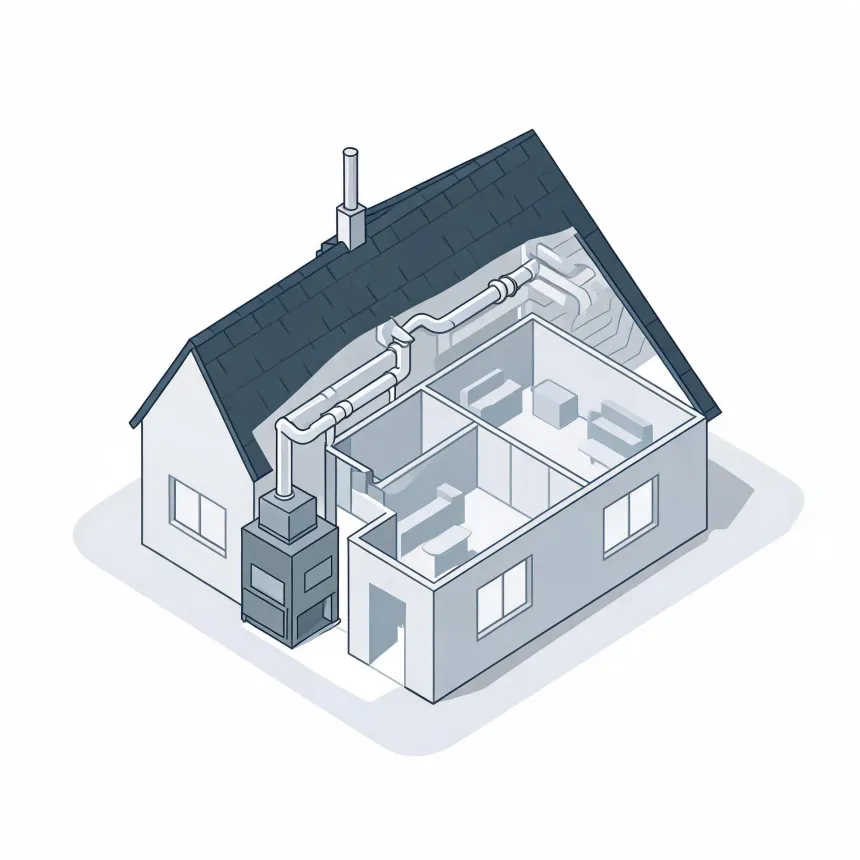
Your furnace in Mequon runs October through May. Winter nights average 16°F, so on the coldest ones the burner is cycling on and off most of the night to keep up. Every start puts wear on the igniter, and a igniter that finally gives out means the furnace won't light at all.
Summer is short here, just July and August, with afternoons around 78°F. That short season doesn't stress the compressor the way a longer one would, but it still has to start up cold each spring after sitting idle most of the year. Wisconsin also sees its share of winter storms and high wind, and enough of them knock out power that a furnace losing power on a cold night is a real possibility, not a rare one.
- 8 months
- October through May, your system heats
- 2 months
- July through August, it cools
- 16°F
- the average winter night it heats against
- 78°F
- the average summer afternoon it cools against
NOAA nClimDiv, 1991–2020 normals
A new furnace and air conditioner would cut about $120 a year off heating and cooling for a typical Ozaukee County home.
Estimates for a typical Ozaukee County home, compared with an older unit built to the previous federal minimum, from EIA household energy data, Wisconsin fuel prices and NOAA climate normals. Your home will differ.
Repair makes sense when one part has failed.
Replacement makes sense when the furnace's heat exchanger is cracked, the air conditioner's compressor has failed, or repairs keep coming.
Wisconsin requires contractors to register with the state.
That registration puts a contractor's business on file with the Department of Safety and Professional Services. It does not mean anyone tested their work. There is no trade exam behind the number, so the state record tells you the business exists, not that it passed anything.
Because counties and cities in Wisconsin cannot layer on their own HVAC license, that registration is the only state-level record there is on a heating and cooling repair like this one. It does not cover the gas side of the job, where a bad connection is what actually makes the work dangerous. Wisconsin's registration was not built to check that. It was built to put a name and a business on file.
Sources: Wisconsin Legislative Reference Bureau · Wisconsin Department of Safety and Professional Services
- Why is my heat not working?
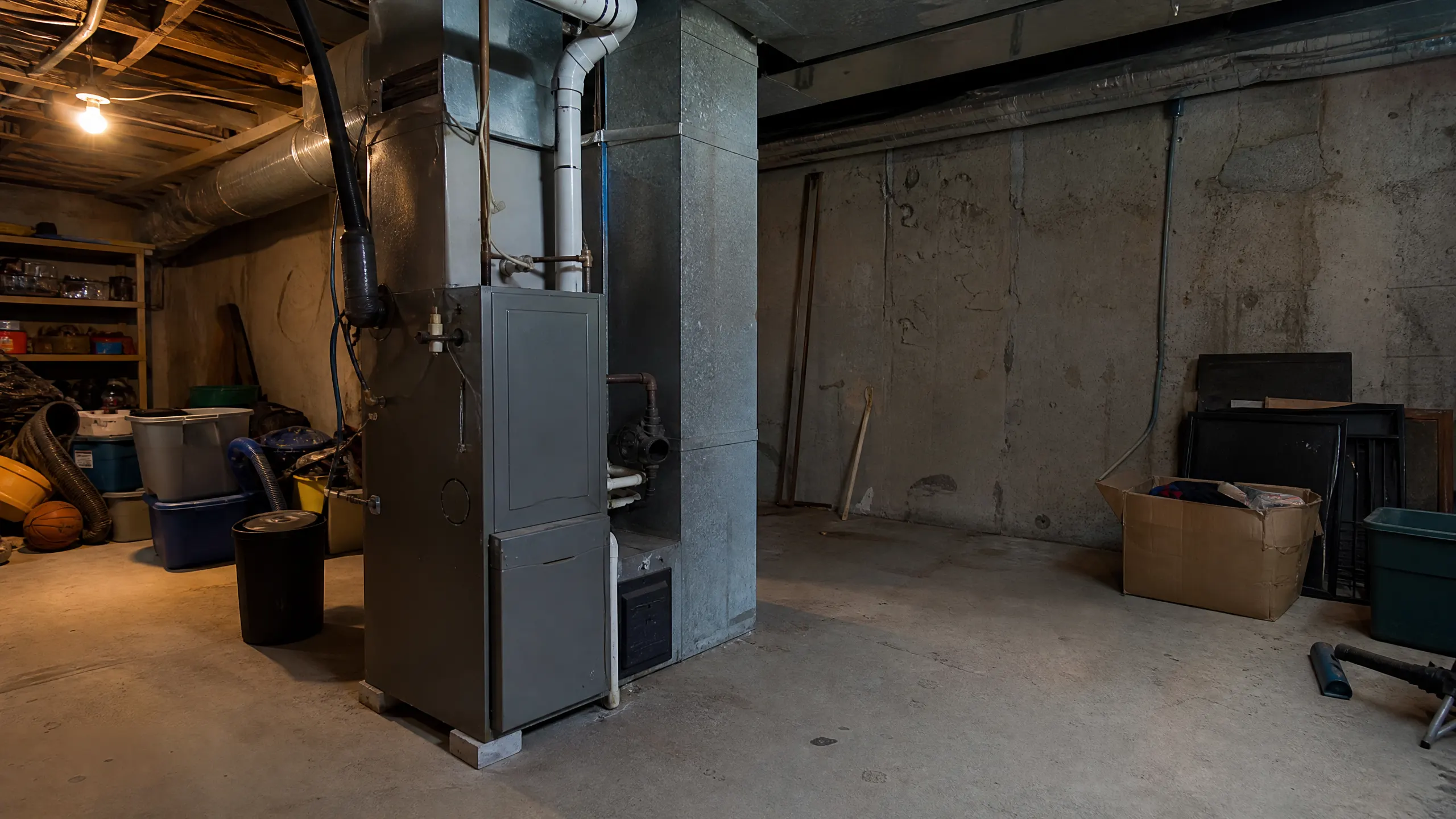
- Most often the igniter has failed or the flame sensor is dirty enough that the furnace shuts itself off as a safety measure. Check your thermostat first to make sure it is set to heat and the batteries are not dead. If the furnace runs but blows cold air, or does not start at all, that points to the igniter, the flame sensor, or the gas valve, and those need a contractor to test and replace. With winter nights here averaging 16°F, it is worth getting this looked at the same day you notice it.
- Why is my system running but not cooling the house?
- If the blower is running but the air is not cold, the most common cause is a dirty filter choking off airflow across the coil, or the coil itself has frozen over. Check the filter first. If it is gray and clogged, replace it and give the system a few hours to recover before deciding it needs a repair. A refrigerant leak or a failing compressor will also cause this, but those need a contractor to diagnose with gauges, not something you can check yourself.
- What can I check before calling for HVAC repair?
- Start with the thermostat. Make sure it is set to heat or cool as needed, the batteries are fresh, and the display is actually lit. Next, check the filter and replace it if it is dirty, since a clogged filter causes both weak heating and weak cooling. Check that the breaker for the furnace or air conditioner has not tripped, and if you have a standing pilot water heater or furnace, confirm the pilot light is still lit. If all of that checks out and the problem remains, a contractor will need to look at the parts that require tools to test, like the igniter, the flame sensor, or the capacitor.