
HVAC Repair in Milwaukee, WI
Homes here need heat from October through May and cooling from June through August. If your system quits, tell us what it's doing and a licensed contractor who covers Milwaukee County will get in touch.
Tell us about the job
It takes about a minute.
Milwaukee asks your system to run almost year round
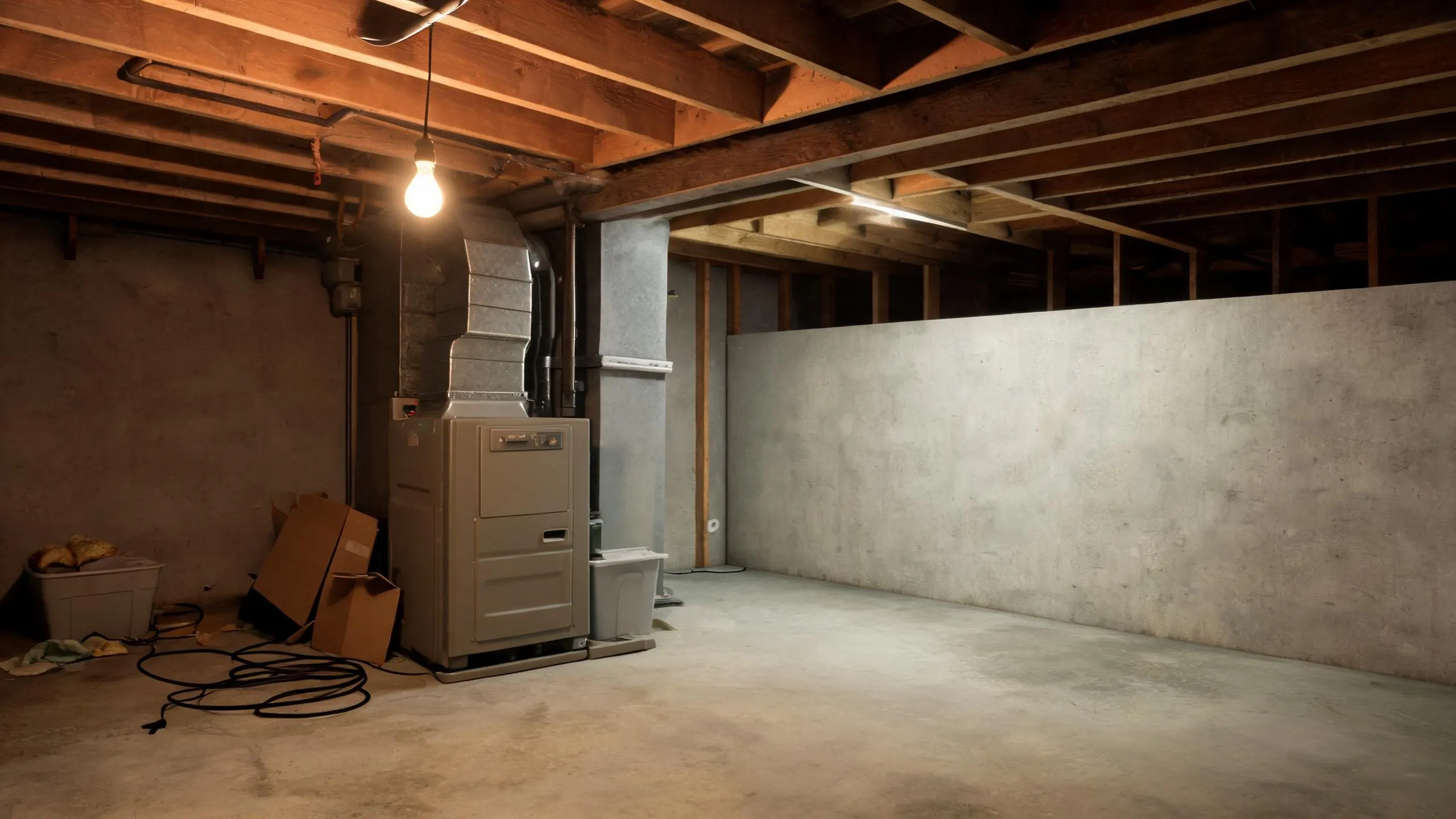
Your furnace carries the load from October through May, and on the coldest nights it is fighting to hold the house above a low near 18°F. That is eight months of long burner cycles, and each start puts wear on the igniter. When it finally fails, the furnace will not light at all.
Summer is short here, just June through August, but afternoons near 79°F still push the air conditioner hard for that stretch. Between the two seasons your system gets almost no rest, only 11 months a year of demand and one month of quiet. Add in the wind and winter storms Milwaukee County sees most years, and the power blinks off more than most homeowners expect. Most furnaces and air conditioners come back on their own once power returns, but a thermostat that lost its settings will not, and you will notice the house is the wrong temperature before you notice why.
- 8 months
- October through May, your system heats
- 3 months
- June through August, it cools
- 18°F
- the average winter night it heats against
- 79°F
- the average summer afternoon it cools against
NOAA nClimDiv, 1991–2020 normals

A new furnace and air conditioner would cut about $120 a year off heating and cooling for a typical Milwaukee County home.
Estimates for a typical Milwaukee County home, compared with an older unit built to the previous federal minimum, from EIA household energy data, Wisconsin fuel prices and NOAA climate normals. Your home will differ.
Repair makes sense when one part has failed.
Replacement makes sense when the furnace's heat exchanger is cracked, the air conditioner's compressor has failed, or repairs keep coming.
Wisconsin requires contractors to register with the state.
That registration puts the business on file with the state and nothing more. Nobody is tested on how to work on a furnace or an air conditioner before getting one, and no state exam stands behind the name on your invoice. Wisconsin counties and cities cannot require their own HVAC license either, so that registration is the only state record tied to whoever comes to your door.
On a heating and cooling repair, the registration itself does not vouch for the work. If the job involves gas lines or venting, that is the part where a bad connection is dangerous, and Wisconsin's registration was never built to check that kind of work, only to record who is doing business.
Sources: Wisconsin Legislative Reference Bureau · Wisconsin Department of Safety and Professional Services
- Why is my heat not working?
- Most of the time it's the thermostat, a clogged filter, or the igniter. Check the thermostat first, make sure it's set to heat and the temperature is above room temp. If the filter hasn't been changed in a while, swap it out, a blocked filter can starve the furnace of airflow and shut it down. If neither fixes it, the igniter or a safety switch has likely failed, and that's a job for a licensed contractor. With winter nights here averaging 18°F, this isn't something to leave for long.
- Why is my system running but not cooling the house?
- The system is running but the air isn't getting cold, which usually points to one of a few things. Check the filter first, a dirty one blocks airflow across the coil and the house won't cool even though the blower is working fine. Next check the outdoor unit, if the coil is caked with dirt or leaves it can't release heat properly. If both look clear, the system may be low on refrigerant from a leak, and that needs a licensed contractor to find and fix.
- What can I check before calling for HVAC repair?
- Start with the thermostat. Make sure it's set correctly, has power, and the batteries aren't dead. Check the filter next, a dirty filter causes more no-heat and no-cool calls than almost anything else. Look at your breaker panel too, a tripped breaker will shut the whole system down and is an easy fix. If the outdoor unit is covered in leaves or debris, clear the area around it. If you've checked all this and the system still isn't working, a licensed contractor will need to look at it.